
Best Oral and Face Surgeon in LA. Went in for surgery left with little to no pain. Wasn’t uncomfortable or in pain during surgery got put right to sleep and woke up with it done! Would 1000% Recommend.
Read More
Hunter Rankin
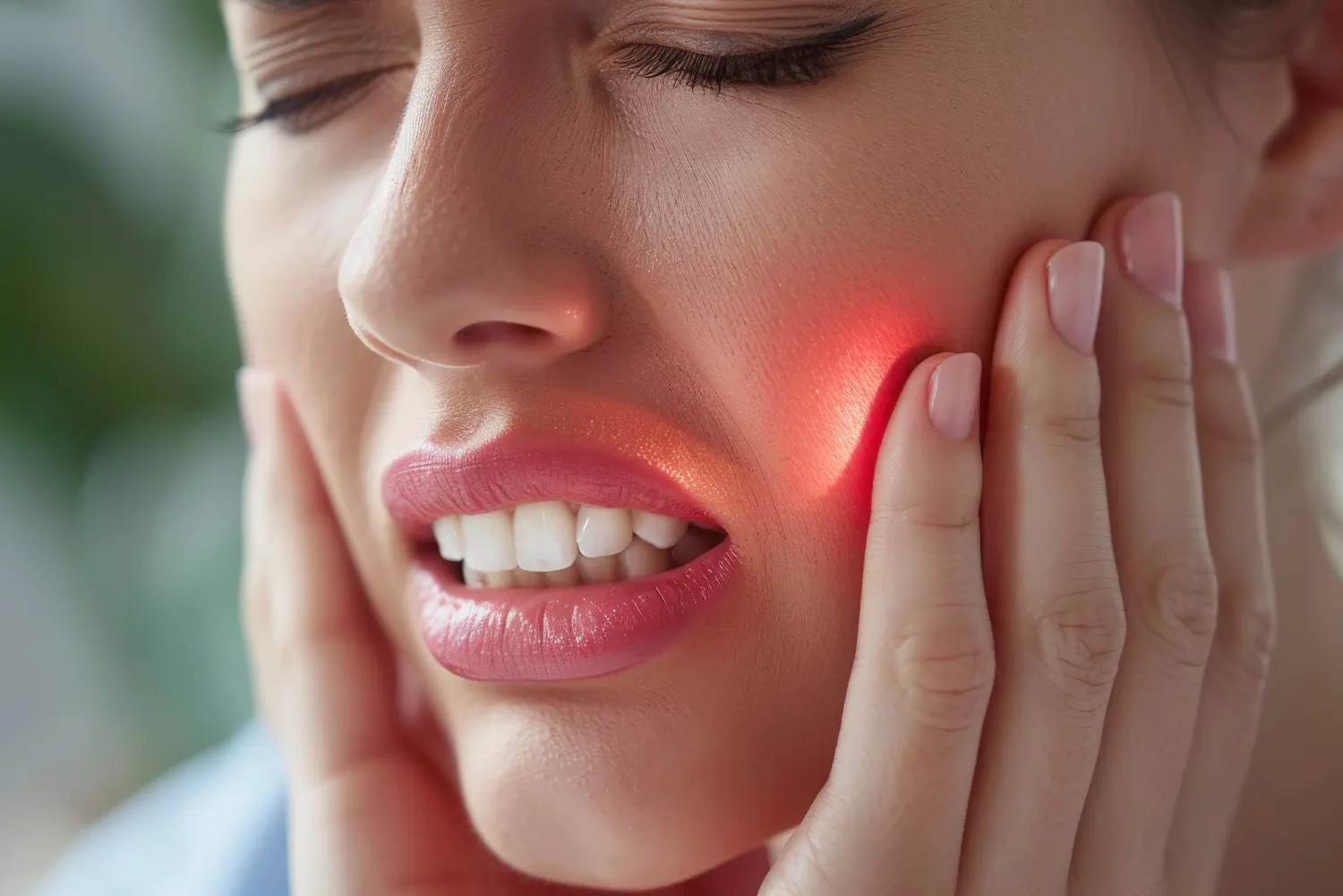

TMJ pain can affect the way you eat, speak, sleep, and move through your day. While many people use “TMJ” to describe jaw pain, clicking, locking, or facial tension, the temporomandibular joint is the joint itself. TMJ disorders can involve the joint, the surrounding muscles, or both, which is why a thoughtful evaluation is the first step toward lasting relief.
At Los Angeles Oral & Facial Surgery, Dr. Derek Tow specializes in the surgical and non-surgical management of TMJ pathologies and myofascial pain. His approach begins with a thoughtful evaluation of your symptoms, jaw function, muscle activity, bite, health history, and imaging when needed, so your treatment plan is based on what is actually causing your discomfort.
¿
Jaw pain can come from the joint, the muscles, the bite, clenching, grinding, inflammation, injury, or a combination of issues. A detailed evaluation helps clarify what is contributing to your symptoms.
For patients with overactive jaw, facial, neck, or shoulder muscles, targeted treatment can help reduce strain, improve comfort, and support healthier movement patterns.
Dr. Tow offers a comprehensive perspective on TMJ care, from conservative treatment options to surgical management when joint pathology requires a more advanced solution.

Your visit begins with a one-on-one discussion about your symptoms, pain patterns, jaw function, previous treatments, clenching or grinding habits, and how your discomfort is affecting daily life.
Dr. Tow evaluates your jaw movement, bite, joint sounds, muscle tenderness, and areas of facial or neck tension. When needed, imaging may be recommended to better understand the joint, bone, and surrounding structures.
Once Dr. Tow understands what may be contributing to your symptoms, he will walk you through your options. Your plan may include non-surgical care, Botox for muscle tension, additional imaging, referrals, monitoring, or surgical treatment if appropriate.
TMJ care is not one-size-fits-all. Dr. Tow will help you understand what to expect, how to manage symptoms, and when to follow up so your treatment can be adjusted based on your comfort, function, and progress.
TMJ refers to the temporomandibular joint, which connects your jaw to your skull. TMD refers to disorders that affect the joint, the surrounding muscles, or both. Many patients use “TMJ” to describe symptoms like jaw pain, clicking, locking, clenching, or facial tension.
Dr. Tow can evaluate a wide range of TMJ and myofascial pain symptoms, including jaw pain or soreness, facial pain or pressure, headaches related to jaw tension, clicking or popping in the jaw, limited opening, difficulty chewing, jaw locking, clenching or grinding, ear-area discomfort, neck and shoulder tension, and pain after jaw trauma or previous TMJ treatment.
You should consider an evaluation if you have ongoing jaw pain, limited opening, locking, painful clicking, clenching, grinding, facial pain, or symptoms that have not improved with basic at-home care. As an oral and maxillofacial surgeon, Dr. Tow can evaluate both muscle-related pain and more complex joint pathology.
Yes. Not every TMJ concern requires surgery. In many cases, treatment begins with reducing inflammation, calming overactive muscles, improving daily jaw habits, and helping the joint and surrounding tissues function more comfortably. Depending on your evaluation, Dr. Tow may recommend non-surgical options such as Botox for muscle tension, habit modifications, anti-inflammatory support, imaging, monitoring, or coordination with another specialist when appropriate.
Yes, Botox may help when TMJ discomfort is related to overactive muscles, clenching, grinding, or myofascial pain. By relaxing targeted muscles such as the masseter or trapezius, treatment may reduce tension and help improve comfort. Dr. Tow will evaluate your symptoms and muscle activity to determine whether Botox is an appropriate part of your treatment plan.
Masseter Botox is a targeted treatment placed into the masseter muscles, which are the strong jaw muscles used for chewing, clenching, and grinding. When these muscles are overactive, they can contribute to jaw pain, headaches, facial soreness, TMJ discomfort, and tension through the lower face. Carefully relaxing the masseter muscles may help reduce excess muscle activity while preserving natural jaw movement and function.
In some cases, yes. TMJ disorders and myofascial pain can involve more than the jaw. Tension may extend into the neck, shoulders, and upper back, especially when the trapezius muscles are overworked. Trapezius Botox, sometimes called TrapTox or Barbie Botox, may help relax these muscles and reduce tension as part of a broader TMJ and myofascial pain treatment plan.
Not always. Many TMJ concerns can be managed with non-surgical care. Surgery is typically considered when TMJ pain is related to a specific joint problem, structural damage, trauma, degeneration, or persistent symptoms that have not responded to more conservative treatment. If surgery is recommended, Dr. Tow will explain why, what the procedure is intended to address, and what to expect before, during, and after treatment.
Myofascial pain often comes from tight, overworked, or irritated muscles. In the jaw, face, neck, and shoulders, this can be related to clenching, grinding, stress, posture, bite changes, trauma, or repeated muscle strain. A thorough evaluation helps determine whether your pain is primarily muscle-related, joint-related, or caused by a combination of factors.
Dr. Tow specializes in the surgical and non-surgical management of TMJ pathologies and myofascial pain. His approach starts with understanding the source of your symptoms, then creating a treatment plan based on your anatomy, jaw function, muscle activity, imaging when needed, and long-term comfort goals.