By Dr. Derek Tow, DMD, MD
If your upper and lower teeth don’t meet comfortably, you may have been told that jaw surgery is an option. That can bring up a very reasonable question: how does a surgeon know exactly where your jaws need to move?
I want my patients to understand that answer before they make any decision about surgery. At Los Angeles Oral & Facial Surgery, I use 3D imaging and digital scans to study your anatomy and plan corrective jaw surgery in detail before we enter the operating room. The planning gives us a way to work through the movements ahead of time and talk about what treatment is meant to accomplish for you.
Is an Underbite or Overbite Caused by the Teeth or the Jaw?
This is one of the first things we need to determine. Teeth can be out of position even when the jaws are reasonably aligned. In other cases, the upper jaw, lower jaw, or both are positioned in a way that creates a skeletal difference.
That distinction changes the treatment plan. Orthodontic care can move teeth, while corrective jaw surgery may be considered when the jawbones themselves need to be repositioned. I work with orthodontists to evaluate the bite and decide what combination of care makes sense for each patient.
If you’re concerned about a severe underbite or overbite, you don’t need to figure out the cause on your own. An examination and the appropriate imaging can help us identify what’s happening and explain your options.
How Does 3D Virtual Surgical Planning Work?
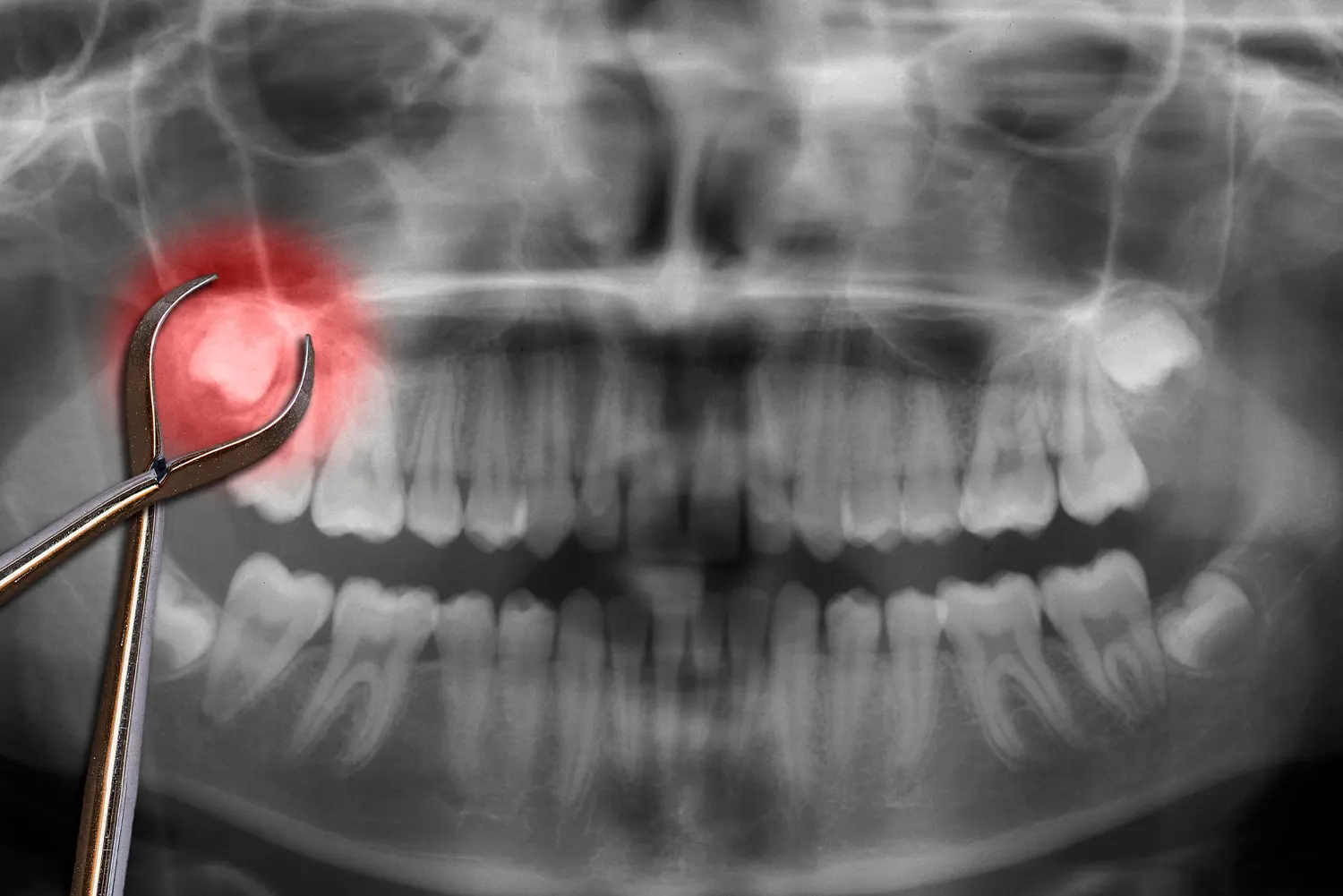
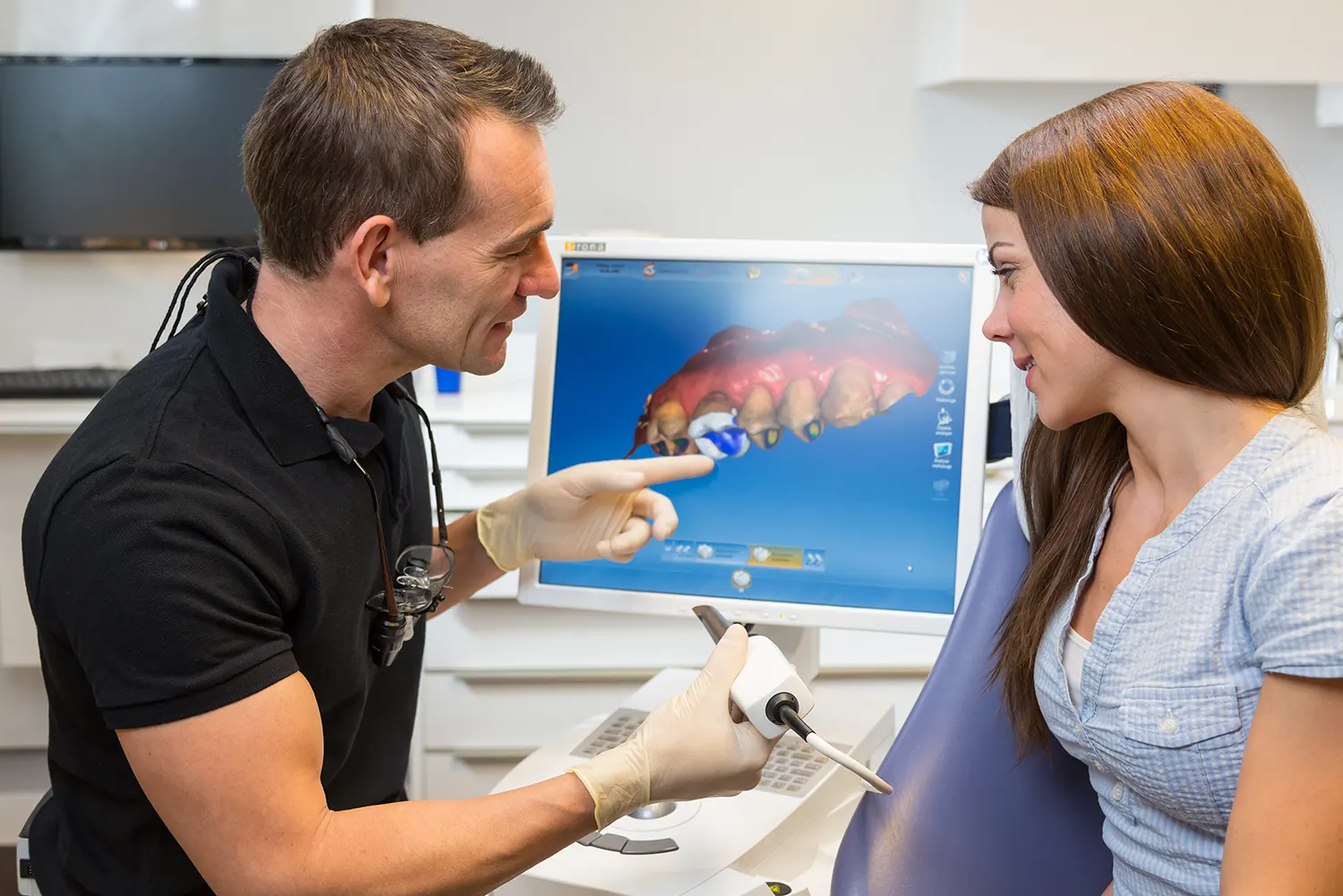
We begin with a 3D scan that shows the position and shape of your jaws. A digital scan captures the surfaces of your teeth. By bringing those records together, I can study how your teeth and bones relate to each other and plan the intended jaw movements virtually.
I work with the planning team to go through the surgery step by step. We can examine where the jaws need to be positioned and how the teeth should meet afterward. For some cases, that digital plan also allows us to create surgical guides or hardware designed for the patient’s anatomy.
This matters because a severe bite problem involves more than moving a jaw forward or backward. I need to think about how the new position will affect your bite, facial balance, and function. Virtual planning gives us a detailed model to work from and a chance to address questions before surgery day.
How Do Custom Surgical Guides Help During Jaw Surgery?
A virtual plan is most useful when we can translate it into the operating room. Custom guides can help direct specific steps of the procedure according to the movements we planned. Patient-specific hardware may also be used when it fits the needs of the case.
For me, the value is preparation. I know the intended sequence and positions before the procedure begins, and the guides help me carry out that plan. Surgical judgment is still essential. Every patient’s anatomy is different, and I remain responsible for evaluating what I find during surgery and caring for you throughout the process.
Can 3D Planning Make Surgery and Recovery Easier?
Planning the movements and preparing guides in advance can make certain parts of surgery more efficient. In my practice, that can mean less time spent working out the next step in the operating room. Research comparing planning methods has also found shorter operating times in some jaw surgery cases using virtual planning.
I wouldn’t promise a particular recovery time based on the planning technology alone. Healing depends on the surgery performed and your individual health. What I can do is explain the procedure we’re considering, how we’re preparing for it, and what recovery may involve in your case. You should have that information well before you decide to move forward.
Can Corrective Jaw Surgery Affect Breathing or Facial Appearance?
It can. Moving the jaws changes the relationship between your teeth, bones, and surrounding facial structures. If we’re moving the upper jaw, for example, I’ll discuss the possibility of changes to the appearance of your nose. I want you to understand potential changes as part of the plan, rather than be surprised by them afterward.
Jaw position can also matter for breathing. Some patients who are considering jaw surgery have airway concerns or sleep apnea, while others do not. Feeling tired by itself doesn’t tell us whether sleep apnea is present. If breathing or sleep is a concern for you, we’ll talk about the appropriate evaluation and whether it should factor into your treatment plan. Corrective jaw surgery may improve breathing for appropriately selected patients, but that outcome depends on the individual case.
What Should You Do If You Are Considering Jaw Surgery?
Start with a consultation. I’ll listen to what bothers you about your bite, examine your teeth and jaws, and review any imaging needed to understand the underlying problem. We can then discuss whether orthodontics, surgery, or another approach deserves consideration.
You’ll have time to ask how a proposed treatment could affect your day-to-day function, appearance, and recovery. My goal is to help you understand the reasoning behind a recommendation so you can decide what feels right for you. You’ll never be pressured to choose surgery.
If you have an underbite or overbite and want to understand treatment options, schedule a jaw surgery consultation with Los Angeles Oral & Facial Surgery. I’d be glad to take a look with you and help you understand where to go from here.